If you wake up with red marks from your CPAP mask, the way the mask fits is one of the first things to look at. Strap tension, cushion size and position, sleep position and cushion wear can all play a part, and skin sensitivity can contribute too. The aim is a mask that seals comfortably without pressing harder than it needs to.
Pain, sores or broken skin are different from mild redness. If you notice any of those, contact your care team or CPAP Central promptly rather than trying to adapt.
Why tightening the straps can backfire
When a mask leaks, the natural response is to pull the headgear tighter. That can stop the leak for a moment, yet tightening also squashes the cushion out of the shape it was designed to hold. A distorted cushion can open new gaps and press harder on the bridge of the nose, the cheeks or the forehead.
A good fit relies on the cushion sitting in the right place and touching your face evenly. If you find yourself tightening the straps a little more every week to keep the seal, that pattern is worth showing to someone who can look at the fit with you.
Possible contributors to marks
Several things can contribute to marks, and more than one may apply at once. These are possibilities to explore, not a diagnosis.
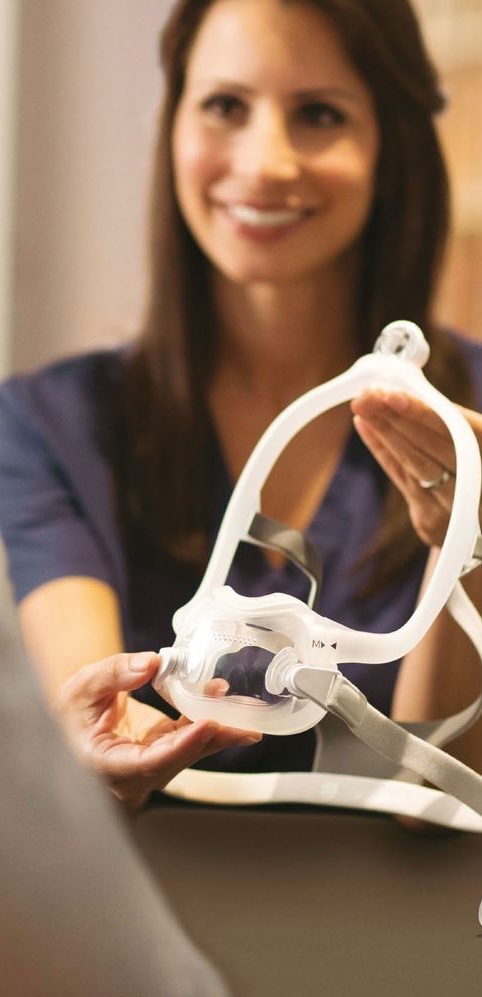
Cushion size matters. Masks come in different sizes, and a cushion that does not suit your face may press at the edges or need extra strap tension to seal. Sizing is best checked in person, with the mask on and your machine running. Our education page has a general background on the different mask styles.
Cushion position matters too. A cushion that sits slightly too high, too low or off to one side can rub or press in places it was not designed to touch. Small shifts during the night can change this.
Your sleep position plays a part. Lying on your side pushes the pillow against the mask, which can move it and change where it presses. Many people sleep in more than one position, and the marks may reflect that.
Cushion condition changes with use. Silicone and other cushion materials wear over time and can lose the shape that helped them seal gently. Your mask’s user guide lists its recommended replacement schedule.
Skin varies from person to person. Some people mark more easily than others, even with a well-fitted mask.
A fit check you can do at home
Your mask’s user guide has fitting instructions for that specific model, and it is the best place to start. A general approach looks like this:
- Wash your face and make sure the cushion is clean and dry, following the cleaning steps in your mask guide.
- Put the mask on while lying in the position you usually sleep in.
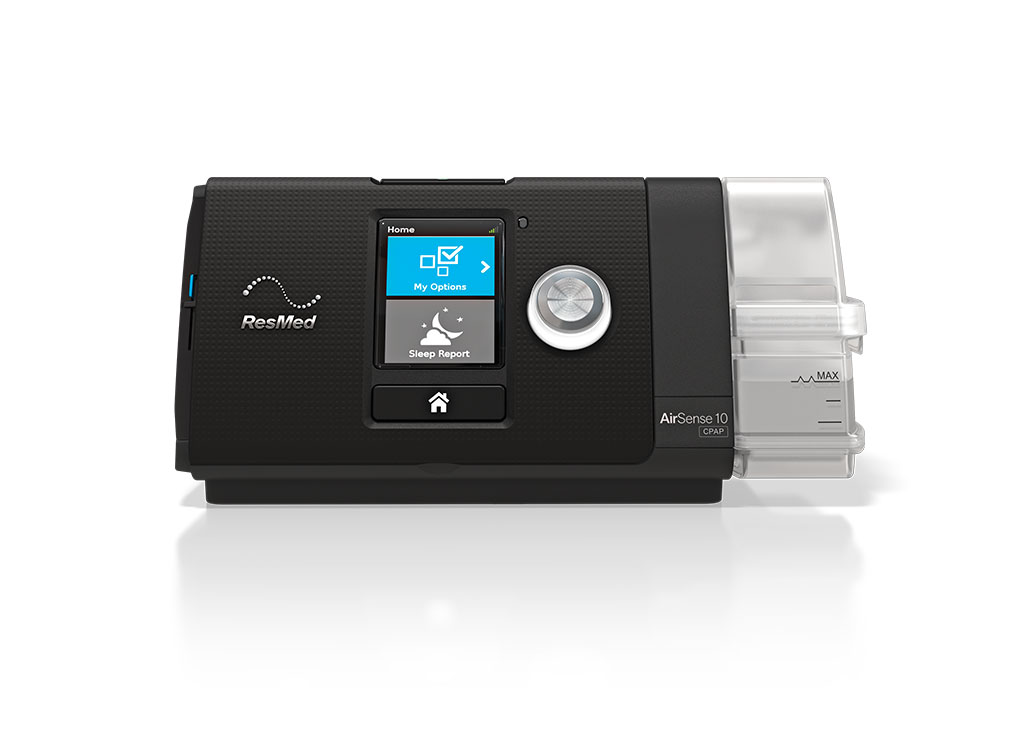
- Start the airflow before judging the fit. The AirSense 11 guide warns that fitting a mask without the device blowing air can lead to rebreathing exhaled air. Some machines also have a mask fit function; on the AirSense 11 it helps you identify possible leaks around the mask.
- Adjust the straps in small, even amounts on both sides, aiming for the lightest tension that keeps the seal.
- Roll onto your side and back again to see whether the seal holds as you move.
If you use a ResMed mask, the myAir app offers mask fitting videos, and ResMed’s Air Solutions support page answers common product questions. For other brands, check the manufacturer’s own resources.
One safety point applies whatever you adjust: keep the mask vents clear and uncovered. They let exhaled air escape, so they should never be taped or blocked to improve a seal.
Marks that come from somewhere other than the cushion
Not every mark comes from the cushion. Headgear straps, clips and the frame can all leave lines, often on the cheeks, the forehead or the back of the head. A line that matches the edge of a strap suggests the strap may be involved, which is worth mentioning at a fitting review.
The tubing can play a part too. If the hose pulls on the mask when you turn over, it can drag the mask out of place and press one side harder into your face. Giving the tube enough slack, or running it above the pillows with a hose holder or a headboard clip, can reduce that pull. Check that whatever you use does not kink the tube.
Pillows matter as well. A firm pillow pushing against the side of the mask can shift it overnight, which is one reason side sleepers sometimes notice marks on one side only.
Caring for your skin and cushion
A clean cushion on clean skin tends to seal more gently, because oils and residue can make the cushion slip and prompt you to tighten. Clean the cushion as your mask guide directs, using only the products it allows.
Some people find thin fabric mask liners reduce friction. They change how the cushion meets the skin, though, and are not suitable for every mask, so ask before trying one.
What the location of a mark can tell you
The place a mark appears is useful information, but it cannot identify the cause on its own. A mark on the bridge of the nose, on one cheek or along the forehead could come from several different things. The most useful thing you can do is record it.
Take a photo in the morning, note which side you slept on, and write down whether the mask felt tight or loose. For example, a note might read: “Red line across nose bridge, slept on left side, tightened top strap last week.” Bring those notes and your mask to a fitting review.
When to book a fitting review
Consider a fitting review if marks keep appearing after you have checked cushion position and strap tension, if you are tightening more and more to stop leaks, if your mask has never been professionally fitted, or if you have any pain, sores or broken skin.
The CPAP Central team can look at your mask fit with you and talk through options that may suit your face and sleep position. Book through our contact page or find your nearest store on our locations page. For more on settling into therapy, see our page on making CPAP a positive experience.