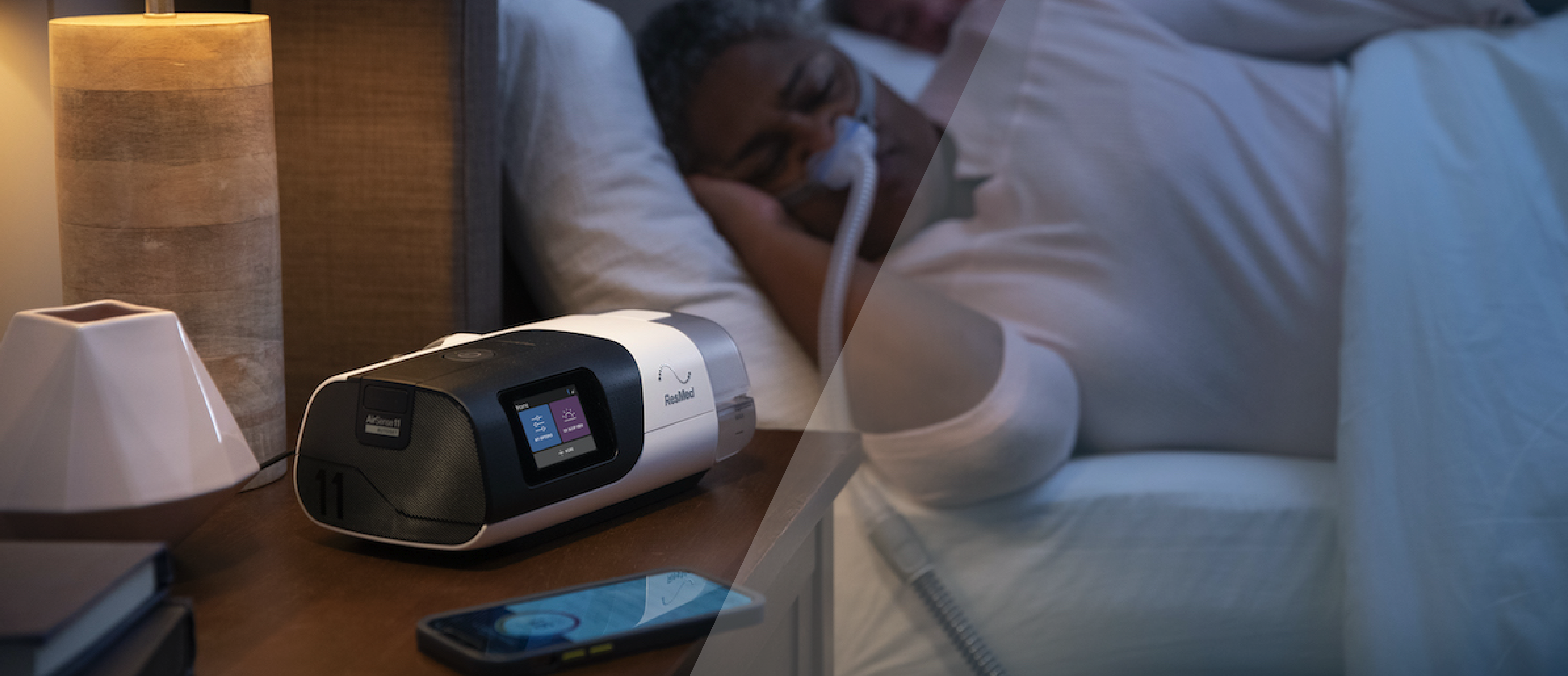
Sleep apnea symptoms are not the same for everyone. Men and women often experience this condition very differently, and that gap causes many women to go undiagnosed for years. If you suspect you or someone you love has sleep apnea, understanding these differences could change everything. This article breaks down the most common signs and symptoms of sleep apnea, explains how they differ between men and women, and helps you know when to seek help.
The Classic Sleep Apnea Symptoms Most People Know
Most people picture a man snoring loudly when they think of sleep apnea. That image is not wrong, but it is incomplete. The well-known symptoms affect both sexes, and recognising them is the first step toward getting treatment.
The most common sleep apnea symptoms include loud, frequent snoring, gasping or choking during sleep, and waking up feeling unrefreshed. Many people also experience excessive daytime sleepiness, even after a full night in bed. Additionally, morning headaches and difficulty concentrating are very common.
However, these “textbook” symptoms show up more often in men, and more dramatically. Men with obstructive sleep apnea (OSA) tend to snore louder, stop breathing more visibly, and wake their partners more noticeably. Because of this, men often get diagnosed sooner. Their partners hear the problem and push them toward a doctor.
Women, in contrast, may have the same underlying condition but show far subtler signs. As a result, sleep apnea in women is frequently mistaken for depression, anxiety, or simply poor sleep habits. Understanding what sleep apnea is, and that it affects both sexes, is essential before diving into the gender differences.
Sleep Apnea Symptoms in Men: What to Watch For
Men are roughly twice as likely to develop sleep apnea as women. Their symptoms tend to be more obvious, which makes the condition easier to spot. That said, obvious does not always mean men act on it quickly.
The most telling signs in men include:
- Loud, disruptive snoring that disturbs a bed partner
- Witnessed apneas, where someone else notices breathing stops during sleep
- Waking up gasping or choking
- Severe daytime fatigue and falling asleep in the day
- Frequent nighttime urination
- Reduced sex drive or erectile dysfunction
- Irritability, mood changes, or difficulty focusing
Men are also more likely to have central obesity, carrying extra weight around the neck and abdomen, which is a major risk factor. A neck circumference greater than 17 inches is strongly linked to OSA in men. Additionally, men tend to experience more severe oxygen drops during apnea events.
Because snoring and gasping are so noticeable, male partners often get nudged by a spouse to see a doctor. This social pressure actually helps men get diagnosed and treated faster. For men who suspect they have sleep apnea, exploring treatment options early leads to much better long-term health outcomes.
Signs of Sleep Apnea in Women: Why It Looks Different
Sleep apnea symptoms in women are often quieter and easier to dismiss. Women are less likely to snore loudly or have witnessed apneas. Instead, their symptoms tend to mirror other common conditions. This is one of the main reasons women are diagnosed later, or not at all.
The most common signs of sleep apnea in women include:
- Insomnia or difficulty staying asleep
- Waking frequently during the night
- Fatigue and low energy throughout the day
- Mood changes, anxiety, or depression
- Morning headaches
- Restless leg syndrome
- Cognitive fog or difficulty concentrating
- Nausea or heartburn at night
Notice how different this list looks. Many of these symptoms, such as fatigue, mood changes, and insomnia, are also associated with hormonal shifts, stress, or mental health conditions. Therefore, women often see multiple specialists before sleep apnea is even considered.
Hormones play a big role here. Progesterone and oestrogen help protect the upper airway. During pregnancy and after menopause, these hormone levels drop, and the risk of sleep apnea rises sharply. In fact, postmenopausal women have a rate of sleep apnea that is nearly equal to men of the same age.
Women also experience more upper airway resistance syndrome (UARS), a related condition that causes fragmented sleep without the full breathing pauses seen in classic OSA. Because UARS does not always show up on standard sleep study measurements, it gets missed even more often.
Men vs Women: Sleep Apnea Symptoms Side by Side
This table shows how sleep apnea symptoms compare between men and women at a glance.
| Symptom | Men | Women |
|---|---|---|
| Loud snoring | Very common | Less common / quieter |
| Witnessed apneas (breathing stops) | Common | Uncommon |
| Gasping or choking at night | Common | Less common |
| Daytime sleepiness | Common | Common (often dismissed) |
| Insomnia / fragmented sleep | Less common | Very common |
| Depression or anxiety symptoms | Less common | Common |
| Morning headaches | Common | Common |
| Restless legs | Less common | More common |
| Reduced libido | Common | Common |
| Hormonal risk factor (menopause) | No | Yes, significantly increases risk |
When Should You Talk to a Doctor About Sleep Apnea?
You do not need to have every symptom on the list to take action. Even two or three of these signs, especially if they are affecting your daily life, are enough reason to speak with a healthcare provider.
For men, the trigger is often a bed partner who raises the alarm about snoring or breathing pauses. However, many men also notice daytime fatigue that just will not go away. If you are falling asleep in meetings or struggling to stay focused at work, do not brush it off as “just tiredness.”
For women, the path to diagnosis is often longer. If you have been told you have depression or anxiety but treatment is not fully working, sleep apnea could be a missing piece. Additionally, women who are pregnant or entering menopause should discuss sleep concerns with their doctor proactively, as both life stages raise the risk significantly.
A sleep study, either in a clinic or at home, is the standard way to diagnose sleep apnea. These tests measure how often your breathing is interrupted during sleep and how much your oxygen levels drop. Once diagnosed, treatment is very effective. Making CPAP therapy a positive experience is easier than most people expect, and most patients notice dramatic improvements in energy and mood within weeks.
If you want to learn more before your appointment, the Epworth Sleepiness Scale is a simple tool that measures how sleepy you feel during everyday activities. It takes two minutes to complete and can give you useful information to share with your doctor.
Frequently Asked Questions About Sleep Apnea Symptoms
What are the most common sleep apnea symptoms?
The most common symptoms include loud snoring, gasping or choking during sleep, waking up feeling unrefreshed, and excessive daytime fatigue. However, symptoms vary between men and women. Women are more likely to experience insomnia, mood changes, and morning headaches rather than dramatic snoring or breathing pauses.
Can women have sleep apnea without snoring?
Yes, and this is one of the main reasons sleep apnea in women goes undiagnosed. Women often snore more quietly or not at all, even with moderate to severe sleep apnea. Their symptoms, like fatigue, anxiety, or fragmented sleep, tend to look like other conditions instead.
What are the signs of sleep apnea in women specifically?
Signs of sleep apnea in women include insomnia, waking frequently at night, persistent fatigue, mood changes, morning headaches, restless leg syndrome, and difficulty concentrating. These symptoms often appear alongside hormonal changes, particularly during pregnancy or menopause, which raises the risk of developing sleep apnea.
Is sleep apnea dangerous if left untreated?
Yes. Untreated sleep apnea puts significant strain on the heart and cardiovascular system. It raises the risk of high blood pressure, heart disease, stroke, and type 2 diabetes. It also impairs driving ability and workplace performance due to chronic sleep deprivation. Early treatment significantly reduces these risks.
How is sleep apnea diagnosed?
Sleep apnea is diagnosed through a sleep study, known as a polysomnography. This can be done in a clinic or with a home sleep test. The study monitors your breathing, oxygen levels, and sleep stages overnight. Your doctor uses the results to assess the severity of your condition and recommend the right treatment.
Take Your Sleep Apnea Symptoms Seriously
Sleep apnea symptoms are easy to dismiss, especially for women, whose signs are often subtler and mistaken for something else. However, whether you are a man with loud snoring and daytime exhaustion, or a woman dealing with persistent fatigue and broken sleep, both experiences deserve medical attention. The good news is that treatment works. CPAP therapy is proven, safe, and life-changing for most people. If you recognise these symptoms in yourself or a loved one, do not wait. Browse CPAP machines and therapy products at CPAP Central or contact our team to get started on the path to better sleep.