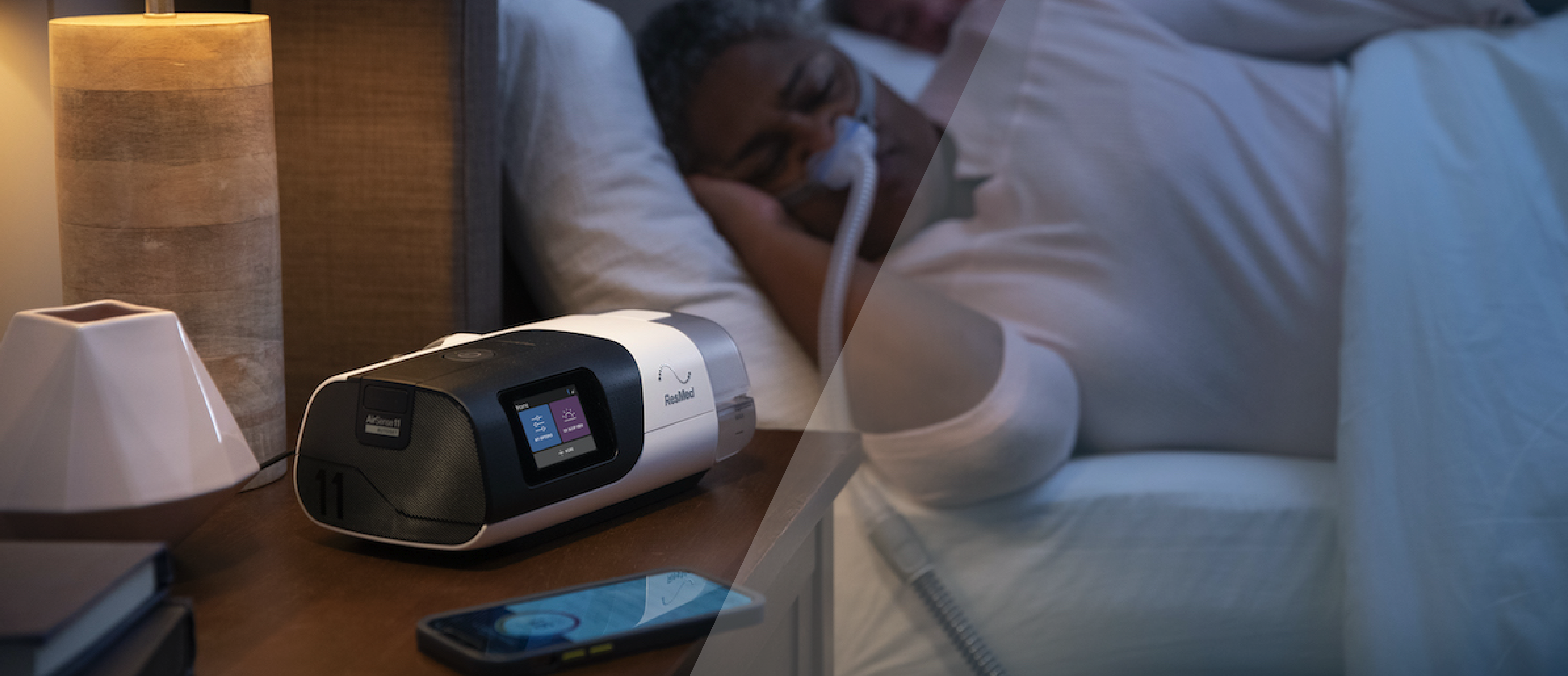
A sleep apnea test is the only way to know for sure if you have sleep apnea. If you snore loudly, wake up tired, or feel exhausted during the day, a test can give you answers fast. You have two main options: a simple at-home sleep apnea test or a full in-clinic sleep study. Both can diagnose obstructive sleep apnea, but they work differently and suit different situations.
What Is a Sleep Apnea Test?
A sleep apnea test measures how well you breathe while you sleep. It tracks events called apneas — moments when your airway closes and your breathing stops. The test also measures your blood oxygen level, your heart rate, and your breathing effort throughout the night.
Doctors use the results to calculate your Apnea-Hypopnea Index (AHI). This number tells you how many breathing interruptions you have per hour. A score above 5 in adults suggests sleep apnea. A score above 30 means severe sleep apnea.
Because sleep apnea is common and often goes undiagnosed, getting tested early matters. Learn more about what sleep apnea is and how it affects your health.
At-Home Sleep Apnea Test: How It Works
An at-home sleep apnea test (also called a home sleep study) uses a small portable device you wear overnight. You pick it up from a clinic or have it mailed to you, sleep in your own bed, and return the device the next day. The device records your breathing, oxygen levels, and airflow while you sleep.
Results are typically ready within a few days. A sleep specialist or physician then reviews the data and gives you a diagnosis. If your AHI is 5 or higher, treatment options like CPAP therapy are usually recommended.
Home tests are convenient and affordable. However, they are best suited for people with a high chance of moderate-to-severe obstructive sleep apnea. They may miss complex or central sleep apnea, which requires more detailed monitoring.
A sleep apnea home study also cannot detect sleep disorders like periodic limb movement or narcolepsy. If your doctor suspects something more complex, they may still send you to a lab.
In-Clinic Sleep Study (Polysomnography): What to Expect
An in-clinic study, called a polysomnography (PSG), is the gold-standard sleep apnea test. You sleep overnight at a sleep lab while technicians monitor you in real time. Sensors track your brain waves, eye movements, muscle activity, heart rate, breathing, and oxygen levels — all at once.
Because it measures more variables, a PSG can diagnose a wider range of sleep disorders. It is the better option if your at-home test was inconclusive, if you have other health conditions, or if your doctor suspects central sleep apnea rather than obstructive.
The downside is cost and convenience. In-clinic studies are more expensive and require you to sleep in an unfamiliar environment. Some people find it hard to sleep with sensors attached. Additionally, wait times at sleep labs in Ontario can be longer than for home testing.
At-Home vs In-Clinic: A Side-by-Side Comparison
| Factor | At-Home Sleep Test | In-Clinic Sleep Study (PSG) |
|---|---|---|
| Cost | Lower (often $300–$500) | Higher (often $1,000+) |
| Convenience | Sleep in your own bed | Overnight stay at a lab |
| What it detects | Obstructive sleep apnea | All sleep disorders |
| Accuracy | Good for moderate-severe OSA | Highest accuracy |
| Wait time | Short (days to weeks) | Longer (weeks to months) |
| Covered by OHIP? | Sometimes, with referral | Often, with referral |
How to Use a Sleep Apnea Checker at Home
A sleep apnea checker is any tool — app, questionnaire, or device — that screens for sleep apnea risk before you get formally tested. Common examples include the STOP-BANG questionnaire and the Epworth Sleepiness Scale. Take the Epworth Sleepiness Scale to check your daytime sleepiness level.
These tools do not diagnose sleep apnea. However, they help you decide if a formal test is worthwhile. If you score high on a sleep apnea checker, talk to your doctor about arranging an at-home test or clinic referral.
Some newer smartwatches and apps claim to detect sleep apnea using oxygen sensors. As a result, more people are becoming aware of the condition earlier. That said, consumer devices are not a substitute for a medical-grade test.
How to Get a Sleep Apnea Test in Ontario
In Ontario, you typically need a physician referral to get a funded sleep apnea test. Your family doctor or walk-in clinic can provide this. Once you have a referral, you can usually choose between a home study or an in-lab study depending on your situation.
Private home sleep testing is also available without a referral and costs between $300 and $500 in most cases. Therefore, if your wait for a funded study is long, a private test can get you answers and start treatment much sooner.
Once diagnosed, your next step is getting the right CPAP equipment. Browse CPAP machines and masks at CPAP Central.
Frequently Asked Questions
How accurate is an at-home sleep apnea test?
At-home tests are accurate for diagnosing moderate-to-severe obstructive sleep apnea. Studies show they agree with in-lab results around 80–90% of the time for the right patients. However, they can underestimate severity in some cases, so your doctor may recommend a follow-up in-lab study if results are unclear.
Can I do a sleep apnea test without a doctor?
Yes. Several private clinics in Ontario offer at-home sleep apnea tests without a referral. You fill out a health questionnaire, receive the device, and get results reviewed by a physician. You will, however, need a physician or nurse practitioner to prescribe CPAP therapy if the test is positive.
How long does a sleep apnea test take?
An at-home test takes one night. An in-clinic study also takes one overnight stay, but data review and follow-up can add a few more days. In most cases, you can expect a diagnosis within one to two weeks of your test night.
Does a sleep apnea test hurt?
No. Both types of tests are non-invasive. The home device typically clips onto your finger and wraps around your chest. The in-clinic study uses sensors placed on your skin with paste or tape — uncomfortable for some, but not painful.
What happens after my sleep apnea test?
If your results are positive, your doctor will discuss treatment options. CPAP therapy is the most effective and most common treatment for obstructive sleep apnea. A CPAP specialist will help you choose the right machine and mask for your needs.
Getting Started Is Simpler Than You Think
A sleep apnea test does not have to be complicated or expensive. For most people, an at-home study is a fast, reliable first step. Once you have your diagnosis, the right treatment can help you sleep better, feel more alert, and protect your long-term health. Ready to take the next step? Contact CPAP Central to ask about sleep testing options in Ontario.