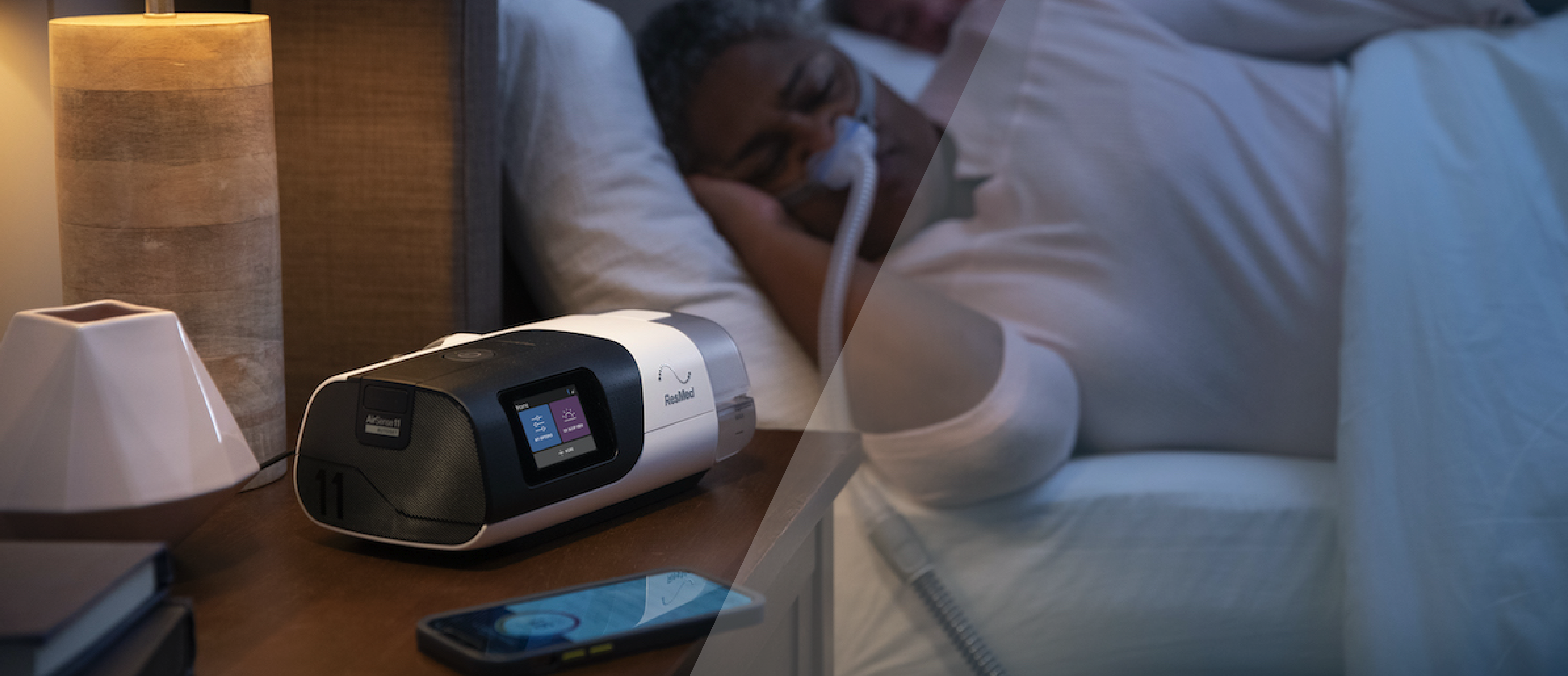
This CPAP cleaning guide covers everything you need to maintain your equipment safely and effectively. Dirty equipment leads to bacterial growth, mould, unpleasant odours, and potential respiratory infections. Moreover, neglected equipment wears out faster, which costs more to replace. This guide covers the right cleaning frequency, the correct methods, and what to watch for between replacements.
Why CPAP Cleaning Matters
Every night, warm moist air passes through your mask, tubing, and humidifier chamber. This environment is ideal for bacterial and mould growth. Without regular cleaning, biofilm builds up inside the components. You then breathe that air directly into your lungs for six to eight hours each night. Following a consistent CPAP cleaning guide protects your respiratory health and keeps your equipment performing as designed.
Daily CPAP Cleaning Routine
Daily maintenance takes only a few minutes. However, it makes a significant difference in equipment hygiene over time.
- Remove your mask cushion or nasal pillows and rinse with warm water. Allow to air dry away from direct sunlight.
- Empty any remaining water from your humidifier chamber and leave the lid open to dry.
- Wipe down the exterior of your machine with a dry cloth to remove dust.
Weekly CPAP Cleaning Routine
A more thorough clean once a week addresses buildup that daily rinsing misses.
- Wash your mask cushion, frame, and headgear in warm water with a small amount of mild soap. Rinse thoroughly and air dry.
- Wash your humidifier chamber with warm soapy water. Rinse completely and allow to dry before reassembling.
- Soak your CPAP tubing in warm soapy water, rinse by running clean water through it, then hang to dry completely.
- Wipe down the machine surface and air intake area with a lightly damp cloth.
- Remove and rinse your washable foam filter under warm water. Allow it to dry completely before returning it to the machine.
What to Use for CPAP Cleaning
Mild Soap and Water
Warm water and a small amount of unscented mild soap is the most widely recommended cleaning method. Avoid antibacterial soaps, bleach, scented products, and alcohol-based cleaners. These can degrade the silicone components in your mask and leave residues that irritate the airway.
CPAP Cleaning Machines
Automated CPAP cleaning devices use activated oxygen or UV light to sanitize equipment without water. SoClean, available as an affiliate product through CPAP Central, is one of the most widely used CPAP sanitizers in Canada. Ask about it at any of our locations or visit our products page for more information.
Cleaning machines are particularly useful for patients who travel frequently, have limited mobility, or want a faster daily cleaning option. Using a CPAP cleaner in combination with regular soap and water washing is the most thorough approach.
What Not to Do
- Do not put CPAP components in the dishwasher. High heat degrades the silicone and plastics.
- Do not use bleach, vinegar at high concentrations, or alcohol on mask components.
- Do not dry equipment in direct sunlight. UV exposure degrades silicone over time.
- Do not use tap water in your humidifier chamber. Distilled water prevents mineral buildup.
- Do not reassemble components before they are fully dry. Residual moisture promotes mould.
CPAP Cleaning Schedule Summary
| Task | Frequency |
|---|---|
| Rinse mask cushion | Daily |
| Empty and dry humidifier chamber | Daily |
| Wash mask, frame, and headgear | Weekly |
| Wash humidifier chamber with soap | Weekly |
| Clean CPAP tubing | Weekly |
| Rinse foam filter | Weekly |
| Wipe down machine exterior | Weekly |
| Replace filters | Monthly or as needed |
Signs Your Equipment Needs Replacing, Not Just Cleaning
Cleaning extends the life of your equipment but does not replace it indefinitely. Watch for these signs that a component is due for replacement. If you are unsure, our team at any CPAP Central location can assess your equipment. You can also review common replacement questions on our FAQ page.
- Your mask cushion has visible cracks, tears, or has become noticeably stiff or discoloured.
- Your tubing has cracks, holes, or visible discolouration inside.
- Your humidifier chamber has scratches, yellowing, or persistent mineral deposits that do not rinse away.
- Your headgear has lost elasticity and no longer holds a snug fit.
Get CPAP Cleaning Supplies at CPAP Central
CPAP Central carries replacement supplies and cleaning accessories across all five locations in Hamilton, Georgetown, Ottawa, Stouffville, and Cambridge. If you are enrolled in our RePAP program, our team contacts you automatically when your supplies are due for replacement. Contact us to ask about cleaning products or to book a supply review appointment.