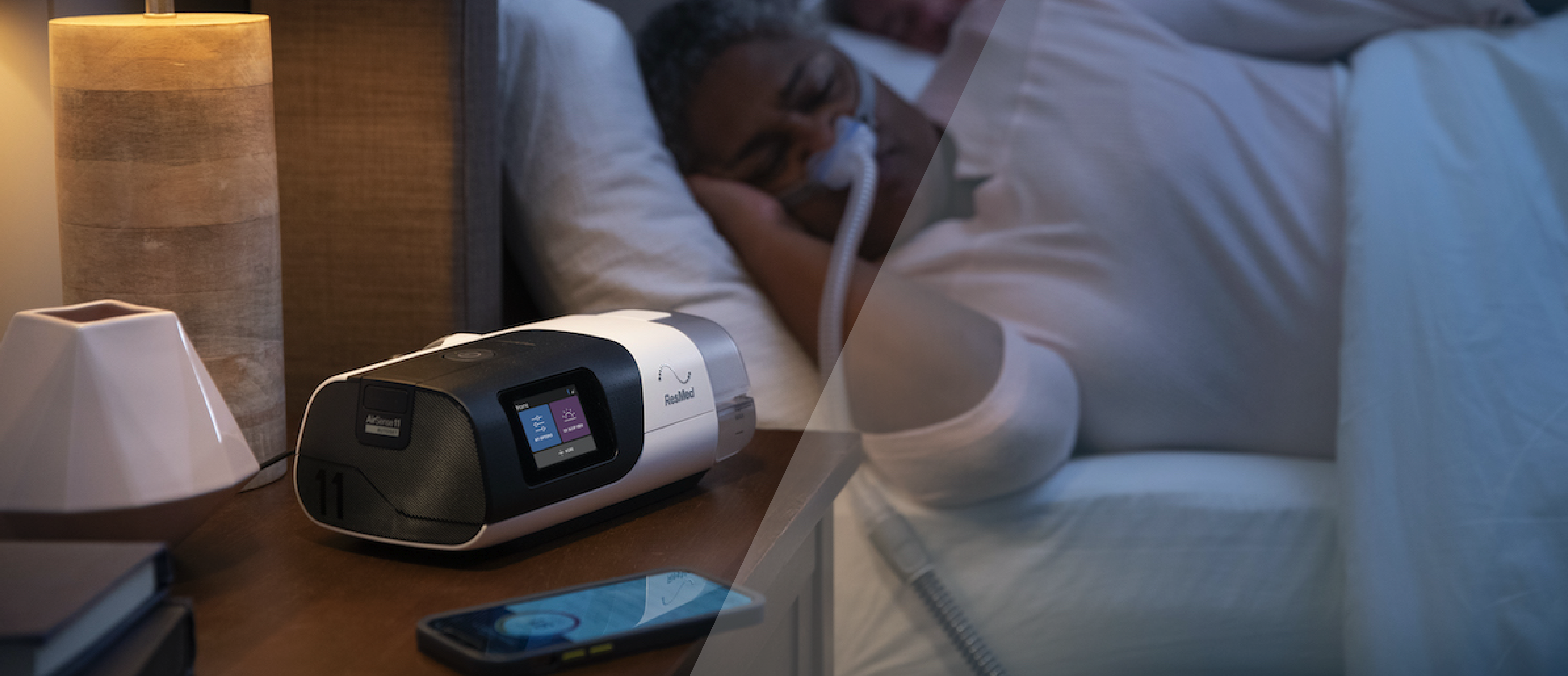
If you use a CPAP machine and find yourself waking up with mask leaks, red marks on your face, or a displaced mask by morning, a sleep apnea pillow could be the solution. Sleep apnea pillows are specifically designed to accommodate CPAP masks and tubing. This guide explains how they work, who benefits most, and what to look for when choosing one.
What Is a Sleep Apnea Pillow?
A sleep apnea pillow, sometimes called a CPAP pillow, is a pillow with cutouts, contoured recesses, or an ergonomic shape designed to prevent your mask from being pushed off your face when you turn or shift position during sleep. Standard pillows compress evenly across their surface. As a result, when a side sleeper turns toward the pillow, the mask gets pushed upward or to the side, creating air leaks and waking the user.
Sleep apnea pillows solve this by creating a space for the mask to sit without making contact with the pillow surface. Unlike a regular pillow, a CPAP pillow is shaped specifically around the reality of wearing a mask to bed every night.
Sleep Apnea Pillow vs. Regular Pillow
A regular pillow is designed for comfort and neck support. It has no accommodation for a mask frame, tubing, or the headgear straps that hold a CPAP mask in place. When you sleep on your side with a standard pillow, the pillow surface pushes directly against the mask, compressing the cushion and breaking the seal.
A CPAP pillow serves the same comfort and support function as a regular pillow. However, it adds recessed cutouts or a contoured shape that keeps the mask off the pillow surface entirely. For most side sleepers on CPAP therapy, the switch from a regular pillow to a sleep apnea pillow is noticeable within the first few nights.
Who Benefits from a CPAP Pillow?
Not every CPAP user needs a specialized pillow. However, certain users consistently see improvement after switching.
- Side sleepers who experience mask leaks or displacement during the night.
- Patients who wake up with red marks or pressure sores from mask contact with a standard pillow.
- Full face mask users, whose larger mask frame is more susceptible to pillow interference.
- Patients who are already comfortable with their mask fit but still experience nightly seal issues.
Back sleepers are less affected by pillow-mask conflict since their mask faces upward and does not contact the pillow surface. For them, a standard pillow is typically sufficient.
Types of Sleep Apnea Pillow Designs
Cutout Pillows
These pillows have recessed cutouts on each side to accommodate the mask when the user turns. They maintain head and neck support while keeping the mask out of contact with the pillow surface. This design works well for both nasal and full face masks.
Contoured Ergonomic Pillows
Contoured pillows use a shaped profile that naturally positions the head higher in the centre and lower at the edges, reducing contact between the mask and pillow without dedicated cutouts. These often double as general neck support pillows and are a good choice for users who prefer a more traditional pillow feel.
Wedge and Positional Pillows
Wedge pillows elevate the upper body slightly during sleep. They are sometimes recommended for patients with both sleep apnea and acid reflux, as elevation reduces reflux symptoms. However, they do not specifically address mask-pillow conflict and are less targeted for CPAP users.
What to Look for in a CPAP Pillow
| Feature | Why It Matters |
|---|---|
| Cutout depth and size | Deeper cutouts accommodate full face masks; shallower ones suit nasal pillows |
| Neck support | Poor neck support can cause pain regardless of mask comfort |
| Material and firmness | Memory foam holds shape but can retain heat; latex is cooler and more responsive |
| Washable cover | Essential for hygiene given proximity to CPAP equipment |
| Size compatibility | Check that the pillow fits your pillowcase and sleeping position |
How to Use a CPAP Pillow Correctly
Switching to a CPAP pillow is straightforward, but a few positioning habits will help you get the most out of it.
- Position the cutout on the side you sleep on most. If you shift sides during the night, centre the pillow so both cutouts are accessible.
- Make sure your mask is properly fitted before lying down. A CPAP pillow reduces positional leaks but will not compensate for a poorly adjusted mask.
- Keep the tubing routed away from your face and over your shoulder to reduce drag and pulling as you move.
- Give yourself a few nights to adjust. It may take a short adjustment period before the cutout positioning feels natural.
How Much Does a Sleep Apnea Pillow Cost?
CPAP pillows typically range from $50 to $120 depending on the material, design, and brand. Memory foam cutout pillows sit at the lower end of that range. Contoured ergonomic options with additional neck support features tend to cost more. Most private insurance plans in Ontario do not reimburse CPAP pillows specifically, as they are classified as comfort accessories rather than medical supplies.
That said, the cost is modest compared to the ongoing expense of replacing mask cushions damaged by nightly pillow contact. Ask our team at any CPAP Central location about available options, or visit our products page to see what we currently carry.
Can a CPAP Pillow Replace a Mask Refitting?
A sleep apnea pillow addresses pillow-to-mask contact. It does not fix a mask that fits poorly to begin with. If your mask leaks regardless of sleep position, the issue is likely the mask cushion size, headgear tension, or mask style. In that case, a refitting appointment should come before purchasing accessories. Contact CPAP Central to book a mask refitting at any of our locations.
Do Sleep Apnea Pillows Work?
For the right user, yes. Side sleepers using full face or nasal masks are the clearest beneficiaries. Many patients report a noticeable reduction in nightly leaks and morning mask marks within the first week of using a CPAP pillow. Additionally, better mask stability through the night often translates directly to improved therapy data — specifically lower leak rates and more consistent AHI readings.
That said, a CPAP pillow is a complement to good therapy setup, not a substitute for it. It works best when your mask already fits well and leaks are primarily caused by positional factors.
Ask About CPAP Pillows at CPAP Central
CPAP Central carries CPAP accessories across all five locations in Hamilton, Georgetown, Ottawa, Stouffville, and Cambridge. If you are experiencing nightly mask leaks or discomfort and are not sure whether the issue is your pillow, your mask fit, or your settings, contact our team and we will help you find the right solution.